
A Billion-Shilling Sun: How Solar-Powered Irrigation is Transforming Agricultural Production in Abuli, Atana in Apac District
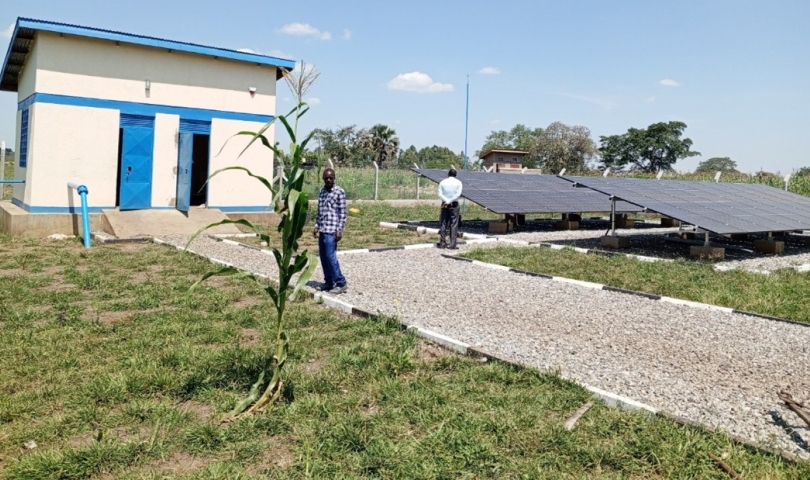
In the rolling plains of Abuli, Atana-Apac Sub County in Apac District, a quiet revolution is unfolding, one powered not by diesel engines or the seasonal mercy of rainfall, but by the sun itself. What was once parched farmland, vulnerable to drought and unpredictable weather patterns, will now be a vibrant agricultural landscape thanks to the solar-powered irrigation system from the Ministry of Water and Environment installed by Nexus Green Uganda, a project valued at over a billion shillings.
The project is more than an engineering achievement; it will be a lifeline that will reshape livelihoods, strengthen food security, and usher in a new era of climate-resilient agriculture in Northern Uganda.
Harvesting the sun, transforming the land
Before the installation of the solar-powered system, farmers in Abuli relied heavily on traditional rain-fed agriculture. This meant unpredictable yields, frequent crop losses, and limited opportunities for year-round farming. The Ministry of Water & Environment and Apac District’s intervention will change this dynamic completely.
The solar array-sprawling across 10-12.5 acres, will be pumping water from Arocha Swamp, a nearby water point, channeling it through an efficient piping network into farms. This renewable energy solution eliminates the need for fuel-powered pumps, cutting operational costs and making irrigation accessible to even low-income farmers.
Benefits blooming across the communities
1. Year-round farming and increased productivity
With the new irrigation system, farmers will be able to plant during both dry and wet seasons, turning formerly idle months into periods of robust agricultural activity. Many farmers report doubling or even tripling their yields, particularly in crops such as maize, beans, vegetables, and high-value horticulture.
2. Economic uplift and household income growth
Steady irrigation means reliable harvest and consistent income. Households will be able to fund school fees, invest in livestock, and expand their farming enterprises. Traders from as far as Lira, Gulu, and Kampala will frequent the area, attracted by the abundance of fresh produce.
3. Youth employment and skills development
The project will create jobs for young people, from system maintenance to farm labor. Templar Engineers’ training program, which will start this December, will equip many youths with technical skills in solar installation and the use of the irrigation plant, including basic pump operation and modern irrigation management skills that will remain useful for a long time.
4. Climate change adaptation
Droughts previously threatened food security in the region. Solar irrigation will offer a sustainable solution, reducing vulnerability by ensuring water availability even in harsh climate conditions. The system is environmentally friendly, emitting zero carbon, and utilizes an abundant natural resource: sunlight.
5. Community empowerment and food security
Families who once struggled to produce enough for home consumption will now be selling surpluses. School feeding programs in the area will also benefit from improved food availability, boosting nutrition levels among children.
A beacon of Hope for Apac District
Local leaders describe the project as a “game changer” and a model for rural transformation across Uganda. Farmers will now look to the future with confidence, imagining expanded commercial agriculture, agro-processing opportunities, and new markets.
For Nexus Green, the project stands as a testament to the power of clean energy solutions in revitalizing rural economies and delivering long-term development impact.
The billion-shilling solar-powered irrigation system in Abuli is not merely a piece of infrastructure; it is a symbol of progress, resilience, and innovation in the socio-economic transformation agenda of the Government of the Republic of Uganda. As the panels continue to glisten under the Northern Uganda sun, they illuminate not just farms, but futures filled with hope, prosperity, and sustainable growth.